What is TMJ Dysfunction?
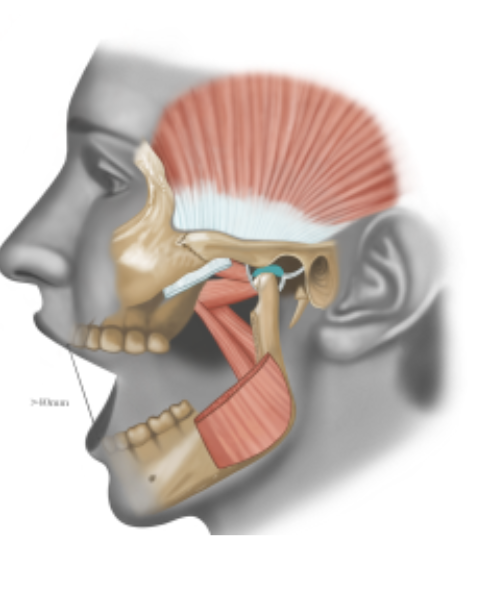
The TMJ connects your jawbone to your skull and is one of the most active joints in the body. It is used for talking, chewing, swallowing, and facial expression.
When the joint or surrounding muscles become strained, inflamed, or imbalanced, it can lead to symptoms such as:
Jaw pain or stiffness
Clicking or popping
Ear pain or fullness
Headaches or facial tension
Neck and shoulder tightness
How Treatment Helps
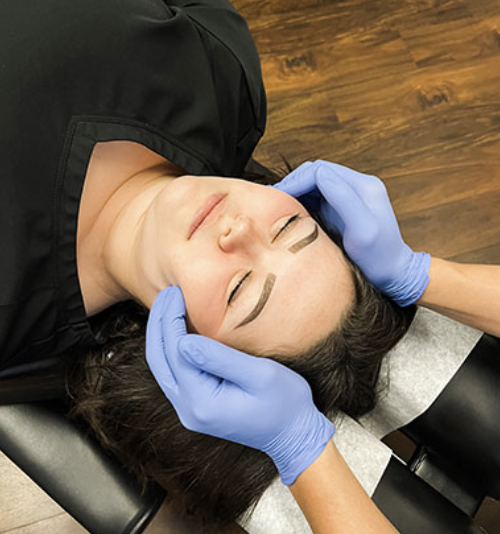
TMJ treatment focuses on restoring proper movement and reducing muscle tension. Your session may include:
Soft tissue therapy for jaw and neck muscles
Gentle joint mobilizations to improve jaw tracking
Neck and upper back treatment to support posture
Corrective exercises for jaw control and relaxation
FAQ
What symptoms are commonly associated with TMJ dysfunction?
Symptoms may include jaw pain or tightness, clicking or popping sounds, difficulty opening or closing the mouth, facial tension, headaches, ear discomfort, or neck and shoulder tightness.
What can cause TMJ dysfunction?
TMJ dysfunction may be related to jaw clenching or grinding (bruxism), stress, poor posture, dental issues, injury, or muscle tension in the jaw, neck, or shoulders.
Can chiropractic care help with TMJ dysfunction?
Chiropractic care may help by addressing muscle tension, joint movement, posture, and alignment that can contribute to TMJ discomfort. Care is gentle and tailored to each individual.
Does TMJ care always involve jaw adjustments?
No. TMJ care does not always involve direct jaw adjustments. Treatment may include soft tissue techniques, posture guidance, exercises, and education to help reduce strain and improve movement.
Can posture affect TMJ symptoms?
Yes. Head, neck, and upper back posture can influence jaw tension and function. Addressing postural habits may help reduce stress on the jaw.
Will I be given exercises for TMJ?
Often, yes. Simple jaw, neck, or posture exercises may be recommended to support relaxation, mobility, and long-term symptom management.
How long does it take to notice improvement?
Everyone responds differently. Some people notice improvement within a few visits, while others may require more time depending on the cause and severity of symptoms.
Can TMJ dysfunction be treated alongside other care?
Yes. TMJ care is often coordinated with other treatments such as chiropractic care for the neck and upper back, stress management strategies, or dental care when appropriat